 The SSD Review The Worlds Dedicated SSD Education and Review Resource |

3D MARK STORAGE GAMING BENCHMARK
UL Solutions has created a new storage gaming benchmark that we will start to use as new SSDs come in. The 3DMark Storage Benchmark DLC extends 3DMark Advanced Edition with a dedicated component test for measuring the gaming performance of SSDs and other storage hardware. It supports all the latest storage technologies and tests practical, real-world gaming performance for activities such as loading games, saving progress, installing game files, and recording gameplay video streams.
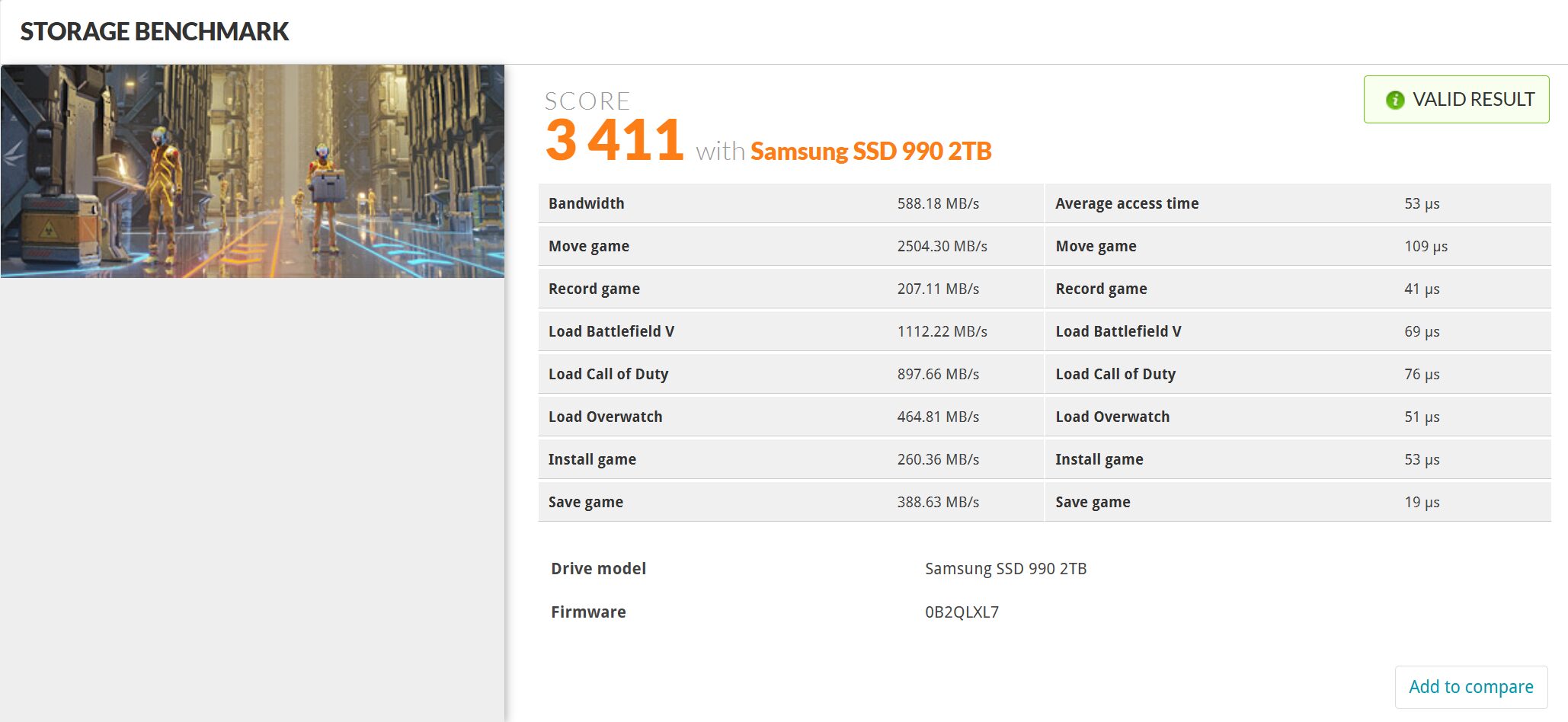
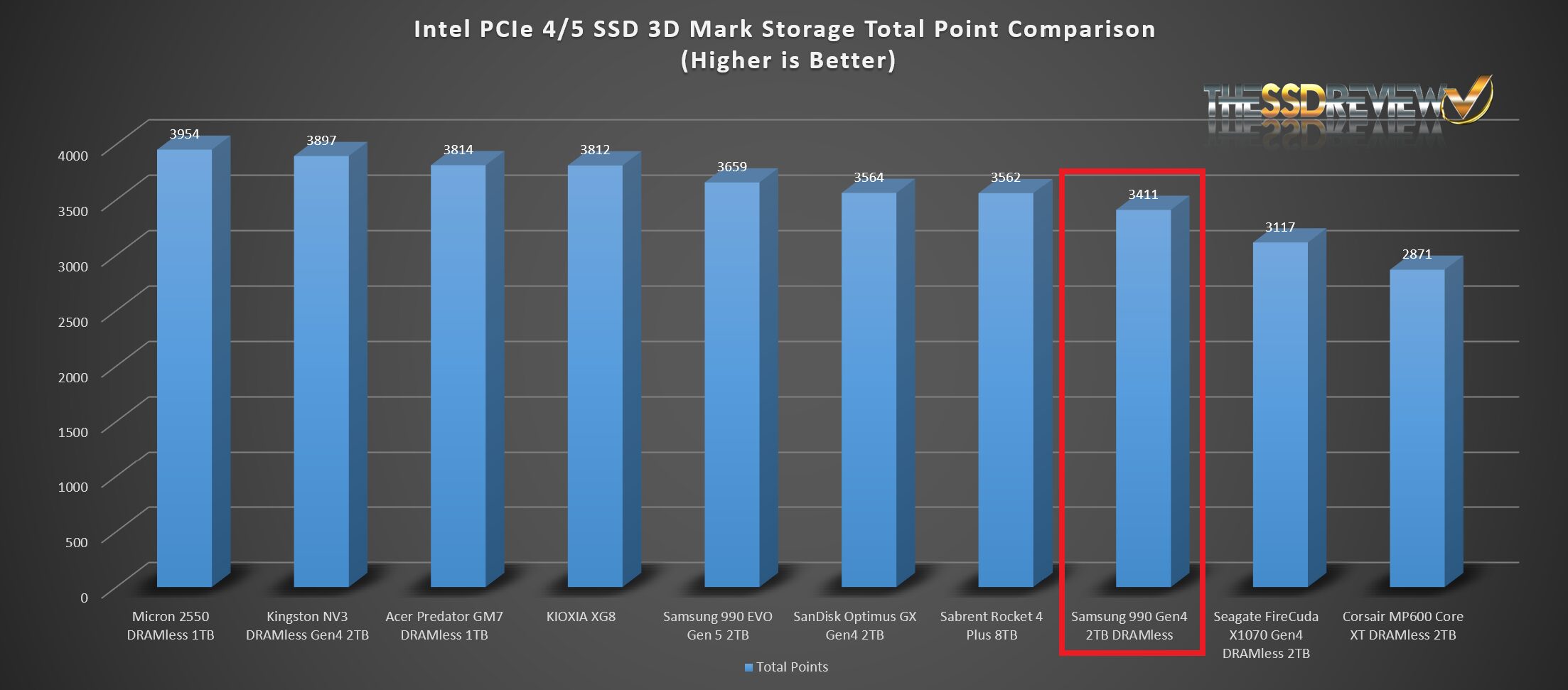
The Samsung 990 Gen4 2TB SSD returned with a Total Score of 3411 which placed it amongst the bottom third of SSDs tested to date.
3D MARK MS DIRECT STORAGE FEATURE TEST
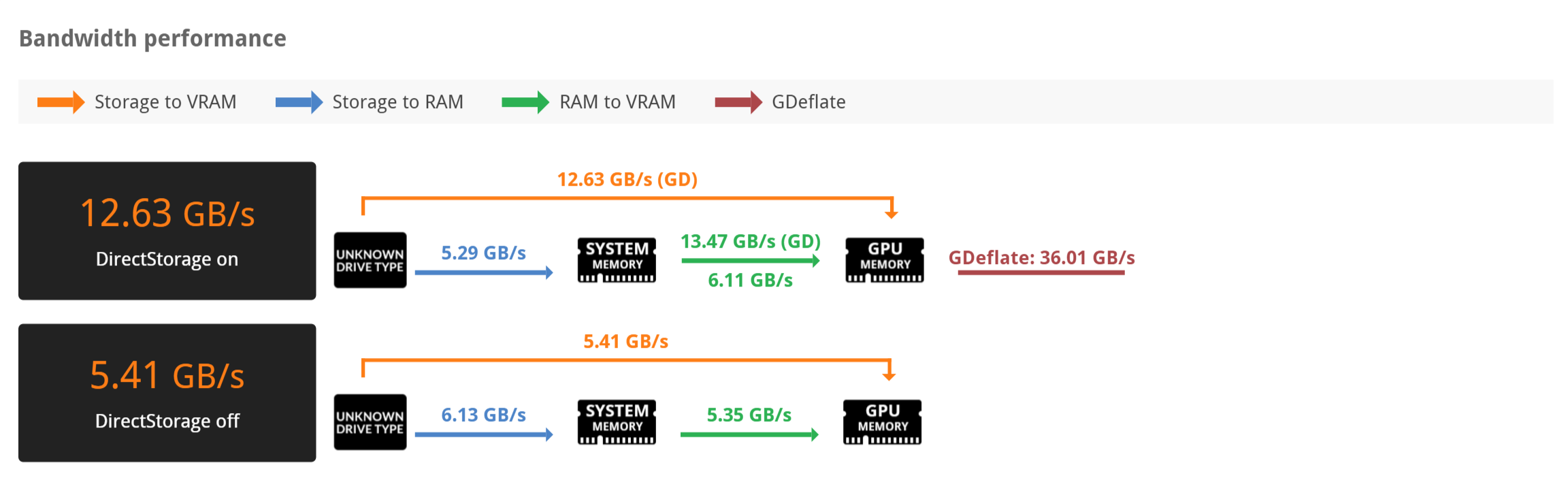
As our Samsung 990 Gen4 2TB SSD is MS DirectStorage compatible, we thought we might take advantage of the 3DMark DirectStorage Feature Test and see how this SSD fared. MS DirectStorage, in very basic terms, allows direct transfer of data from your SSD storage directly to your GPU, eliminating its historical necessary passage from the SSD through the CPU to RAM, back through the CPU and finally to the GPU VRAM. This is, for the most part at this time, intended on faster game load times,reducing CPU overhead and providing more detailed graphics.
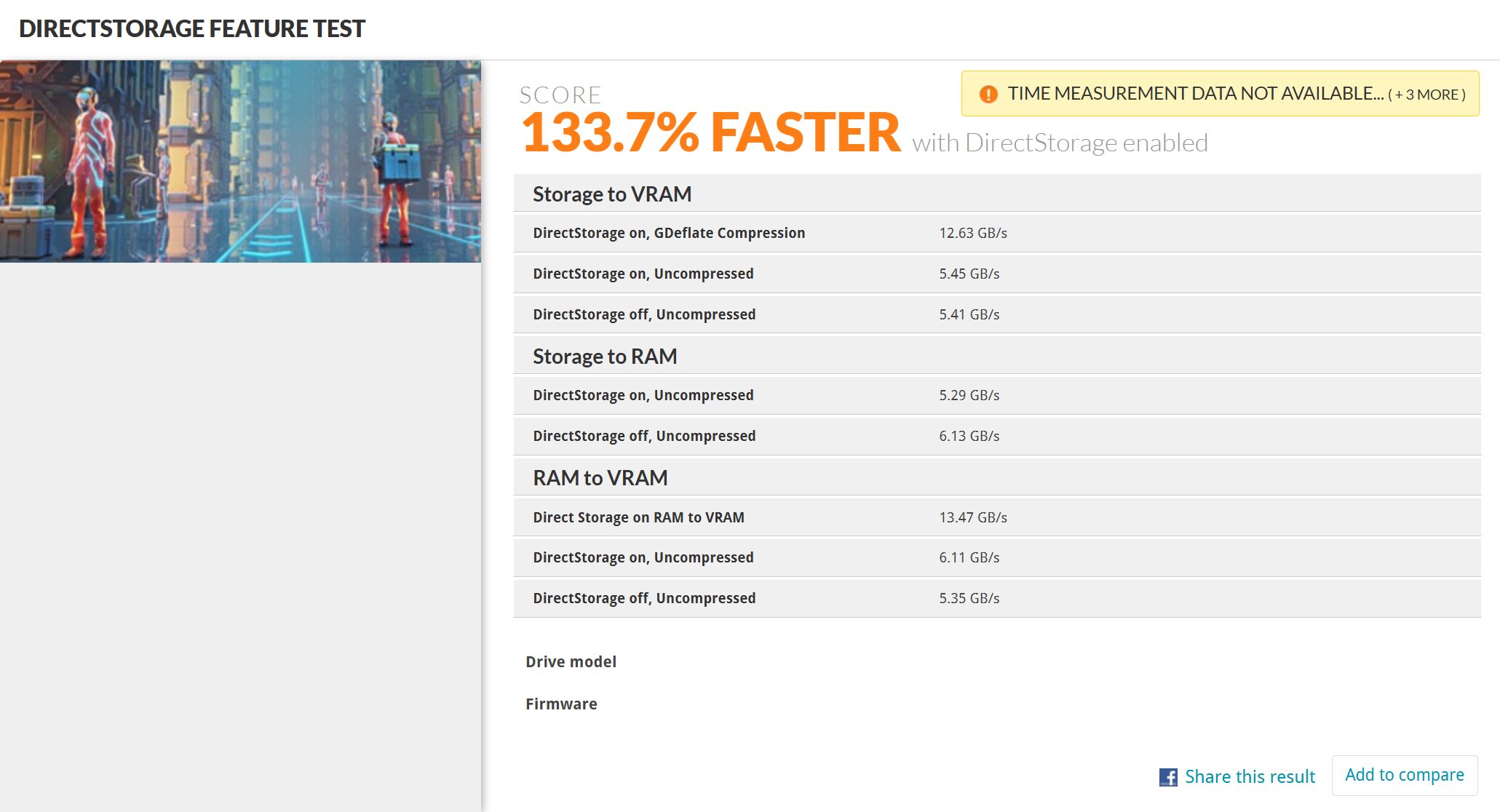
In our testing, data transfer achieved a 133.7% faster transfer of data than with MS DirectStorage disabled.
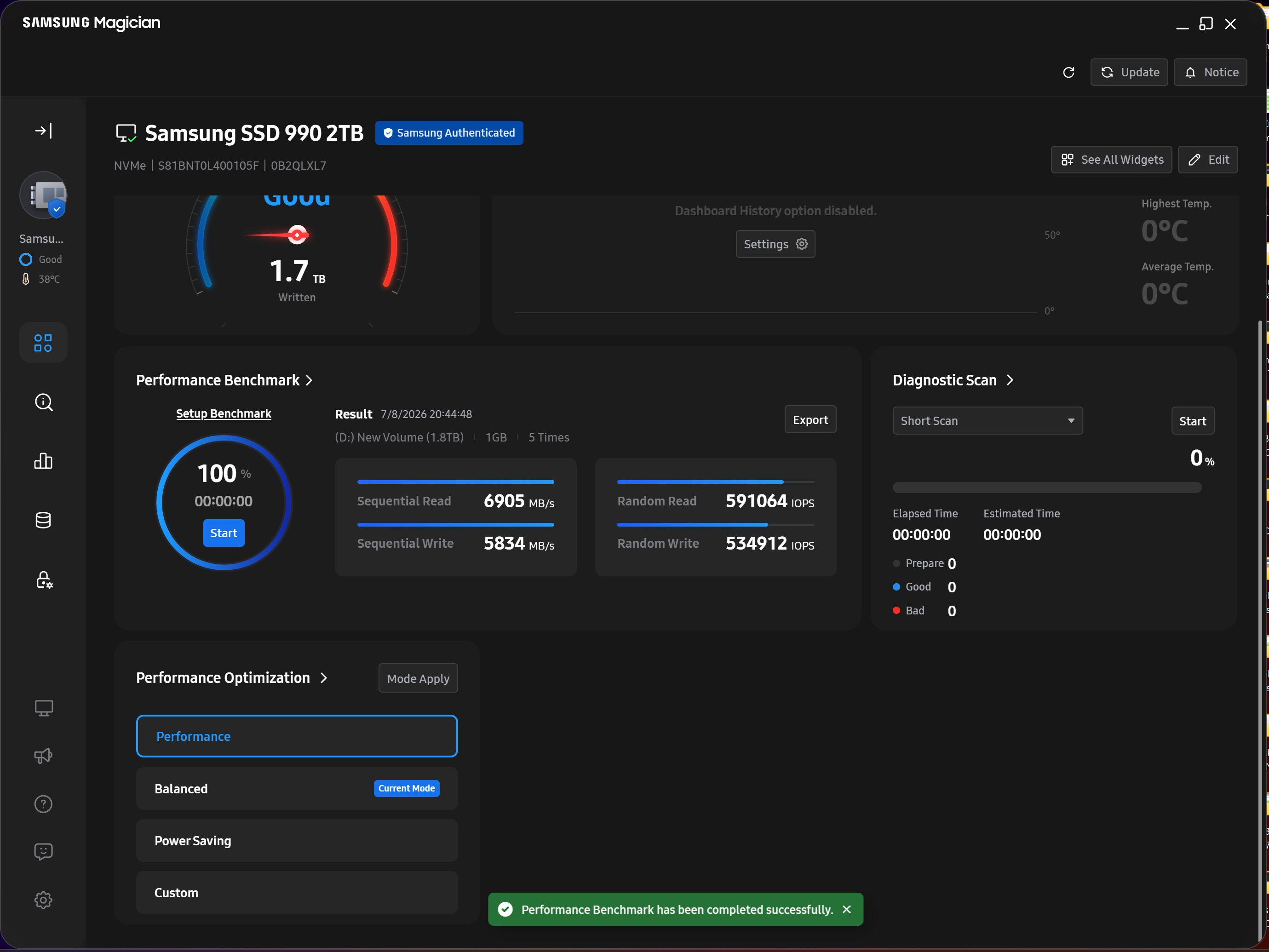
Samsung has one of the longest standing SSD maintenance software programs in its Samsung SSD Magician software package and a free copy can be downloaded from clicking the title above.
This software also includes utilities to monitor drive health, performance, temperature, SSD authentications, Diagnostic Scan as well as several other features, to include placing your SSD in performance mode.
REPORT ANALYSIS AND FINAL THOUGHTS
Samsung’s approach to the release of the Samsung SSD 990 is simply common sense. The company understands better than anyone that SSD prices are unlikely to return to the bargain levels we’ve enjoyed over the past few years, and that reality stands in direct contrast to consumers’ ever-growing need for storage.
Samsung also recognizes that the mainstream consumer market is far larger than the enthusiast, small business, or even gaming segments. Most buyers aren’t chasing benchmark numbers; they simply want a fast, reliable SSD at a reasonable price.
Don’t believe it? Just look at the continued sales of SATA 3 and entry-level SSDs. Despite the fact that modern PCIe Gen5 SSDs can deliver nearly 30 times the performance of early SATA SSDs, and capacities have grown from a few hundred gigabytes to today’s massive 8TB drives, a 28-fold increase, business and consumers continue to choose affordable, mainstream storage over bleeding-edge performance.
The industry also appears to have accepted that, at least from the consumer’s perspective, PCIe 4.0 performance in the 7GB/s range represents the sweet spot at a time when NAND flash and DRAM prices remain exceptionally high. Samsung may be the first to embrace this strategy with the SSD 990, but we suspect it won’t be the last. This could very well become the new standard for mainstream consumer SSDs.
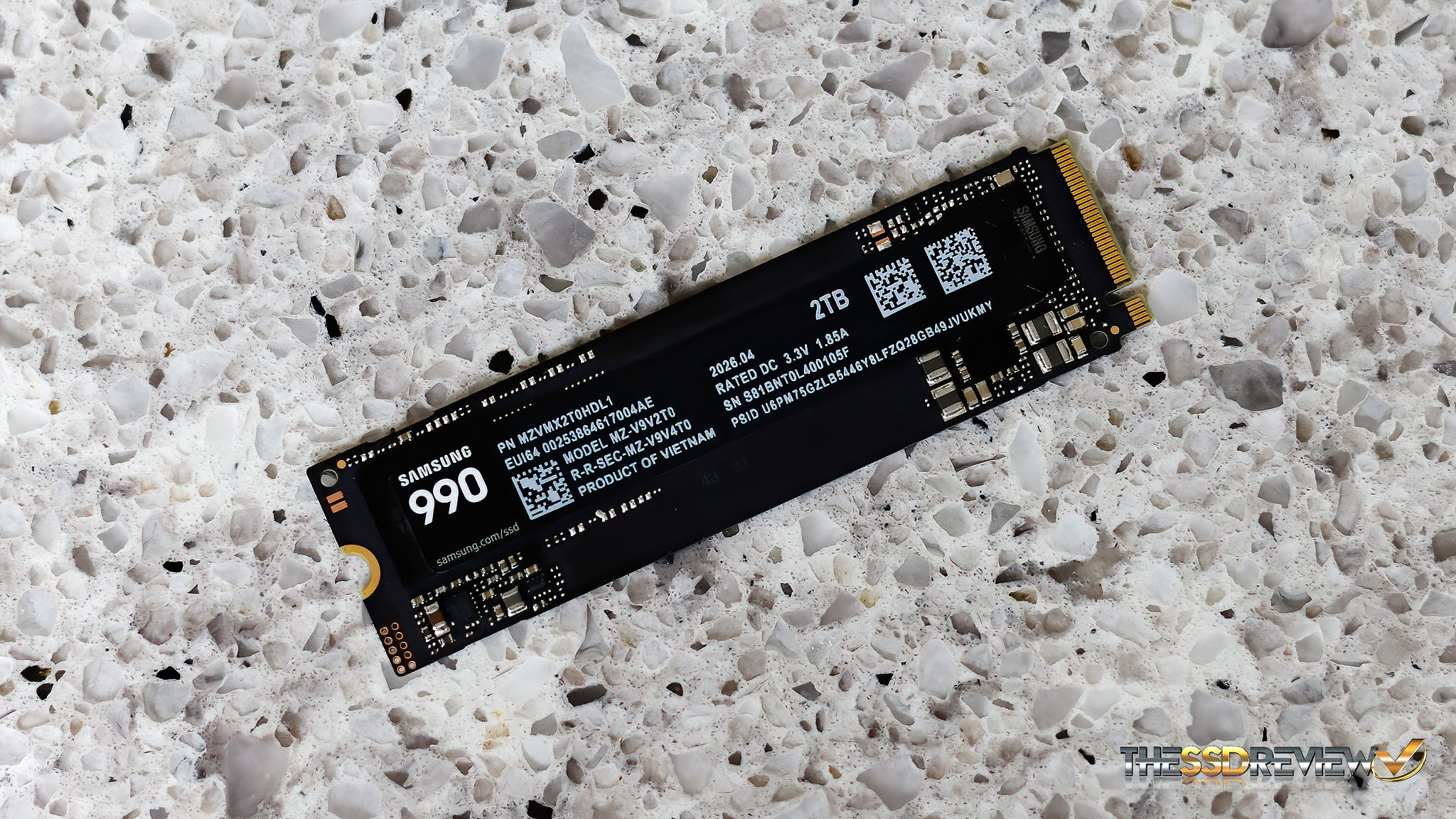
The Samsung SSD 990 is a PCIe Gen4 SSD rated for sequential read speeds of up to 7.2GB/s and random performance of up to 1,200K IOPS. More importantly, however, Samsung has kept active power consumption at around the 4-watt mark while designing the drive as a single-sided SSD with just two onboard components: the controller and a single NAND flash package. That translates into lower heat output, improved efficiency, and an SSD that should run noticeably cooler than many of today’s high-performance alternatives, something we appreciated not so long ago.
Our only real disappointment is Samsung’s decision to back the SSD 990 with a three-year limited warranty instead of the five-year coverage we’ve come to expect from the industry. Of course, we’d also like to see a bit more performance in our benchmark testing, but our test suite is designed to extract every last ounce of speed an SSD can deliver.
The reality, however, is that most consumers will never need transfer speeds beyond 7GB/s. In fact, we’ve maintained for years that the headline sequential performance advertised on SSD packaging is realized less than one percent of the time during typical day-to-day use. It’s much like owning a sports car. You may rarely, if ever, drive it at its top speed, but you still pay a premium simply because it can.
Last but not least, the MSRP still feels steep at $269.99 for the 1TB model and $529.99 for the 2TB version. The 990 launches on Amazon today, so there’s a chance pricing could come in a little lower at release. That said, it raises an important question: is this really an upgrade over the 990 Evo Plus? The 2TB 990 Evo Plus is still available for just $386.88, backed by a 5-year warranty and contains Samsung’s 236-layer, 8th-generation 3D TLC V-NAND. Given those factors, I know which one I’d choose and it’s faster, has better value and that 5-year warranty.
CHECK SAMSUNG SSD 990 GEN 4 PRICING AT AMAZON.

what tf does “””NOTE:’Tested with’ (Z890/Z790/etc)””” even mean?
you do some crazy 15 GB OS transfer test with crazy times all over the place, with huge differnces, and say they were Tested with’ (Z890/Z790/etc)!!! what is ect supposed to stand for? another Z chipset? someother chipset? and older or AMD chipset? you REALLY MUST put a few other examples in your series before you put an *ETC* …. LIKE AT LEAST THREE TO FIVE OTHER CHIPSETS for anyone to be able to extrapolate what goes next after just two data points in a series!
but MOST IMPORTANTLY, you don’t identify WHICH chipset you tested with for each of those drives, and there are WILDLY different results, so your results are MEANINGLESS without knowing what chipset was tested with which drive!!!
Da sich QLC- und DRAM-lose SSDs im Alltag immer schwerer voneinander unterscheiden lassen, stellt sich die Frage: Lohnt es sich, den niedrigeren Preis der Samsung 990 in Kauf zu nehmen, wenn man dafür eine kürzere Garantie und eine geringere TBW-Angabe in Kauf nehmen muss?