 The SSD Review The Worlds Dedicated SSD Education and Review Resource |

I absolutely love world firsts. Even more than that, I love seeing genuine technological innovation.
Not long ago, we introduced the Longsys Gen4 mSSD, and we were fortunate enough to receive the drive directly from Longsys Chairman Huabo Cai, giving us the opportunity to publish what turned out to be an unexpected world exclusive. That 1TB SSD, no larger than a quarter, delivered transfer speeds of 7.1GB/s, an impressive achievement made possible by its innovative SiP (System-in-Package) single-package design.
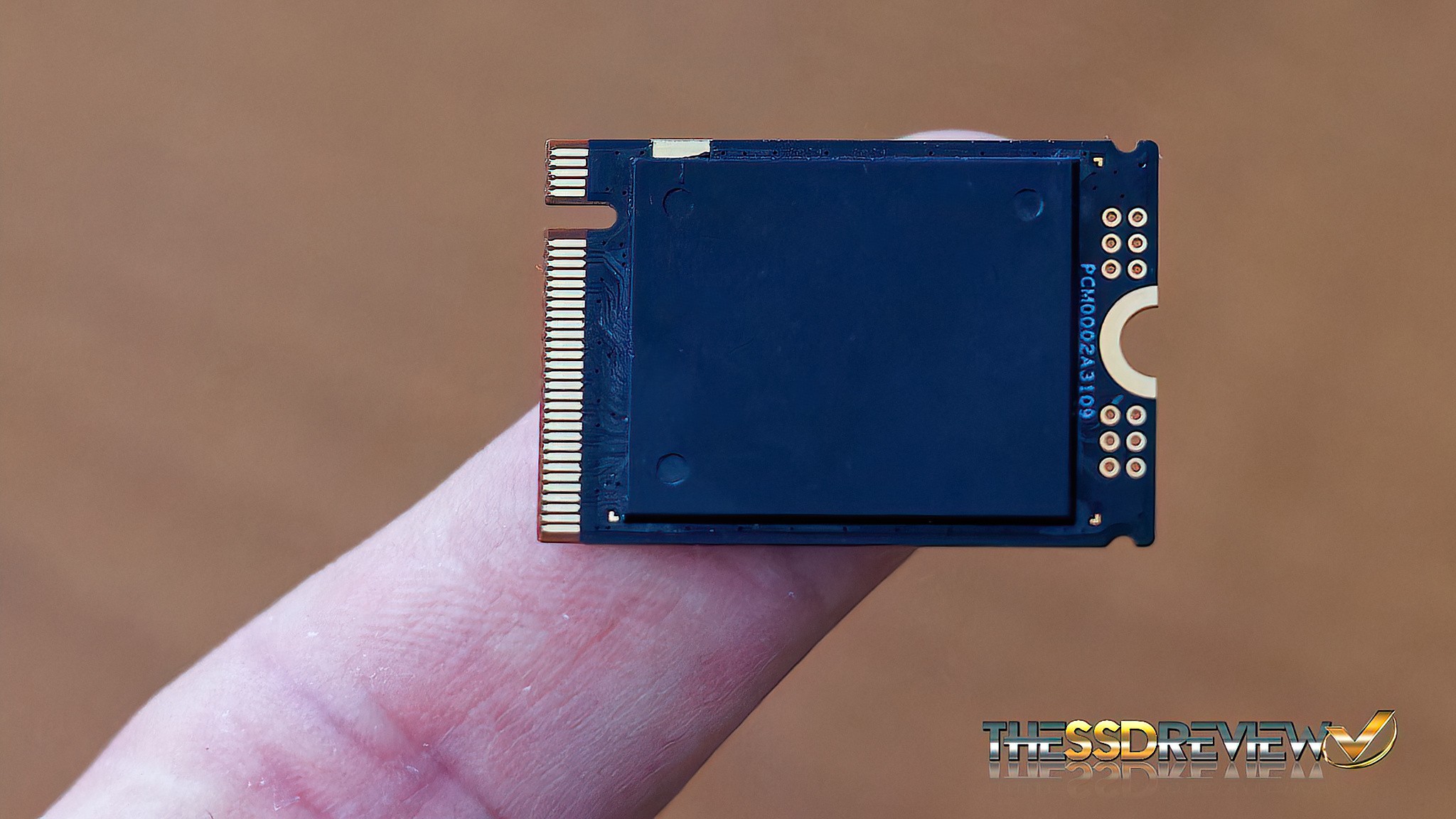
By integrating the entire SSD into one package, Longsys eliminated nearly 1,000 solder joints typically found in a conventional SSD. Fewer solder joints mean fewer opportunities for solder contamination, reduced component interference, and greater resistance to reliability issues caused by heat and humidity. The approach also cuts manufacturing defect rates from approximately 1,000 DPPM (Defective Parts per Million) to just 100 while reducing production costs by roughly 10 percent. In the end, those savings and reliability improvements translate into real value for the consumer.
Well… this morning, Longsys has raised the bar once again, and we are fortunate enough to have what may be the only publicly available sample in hand.
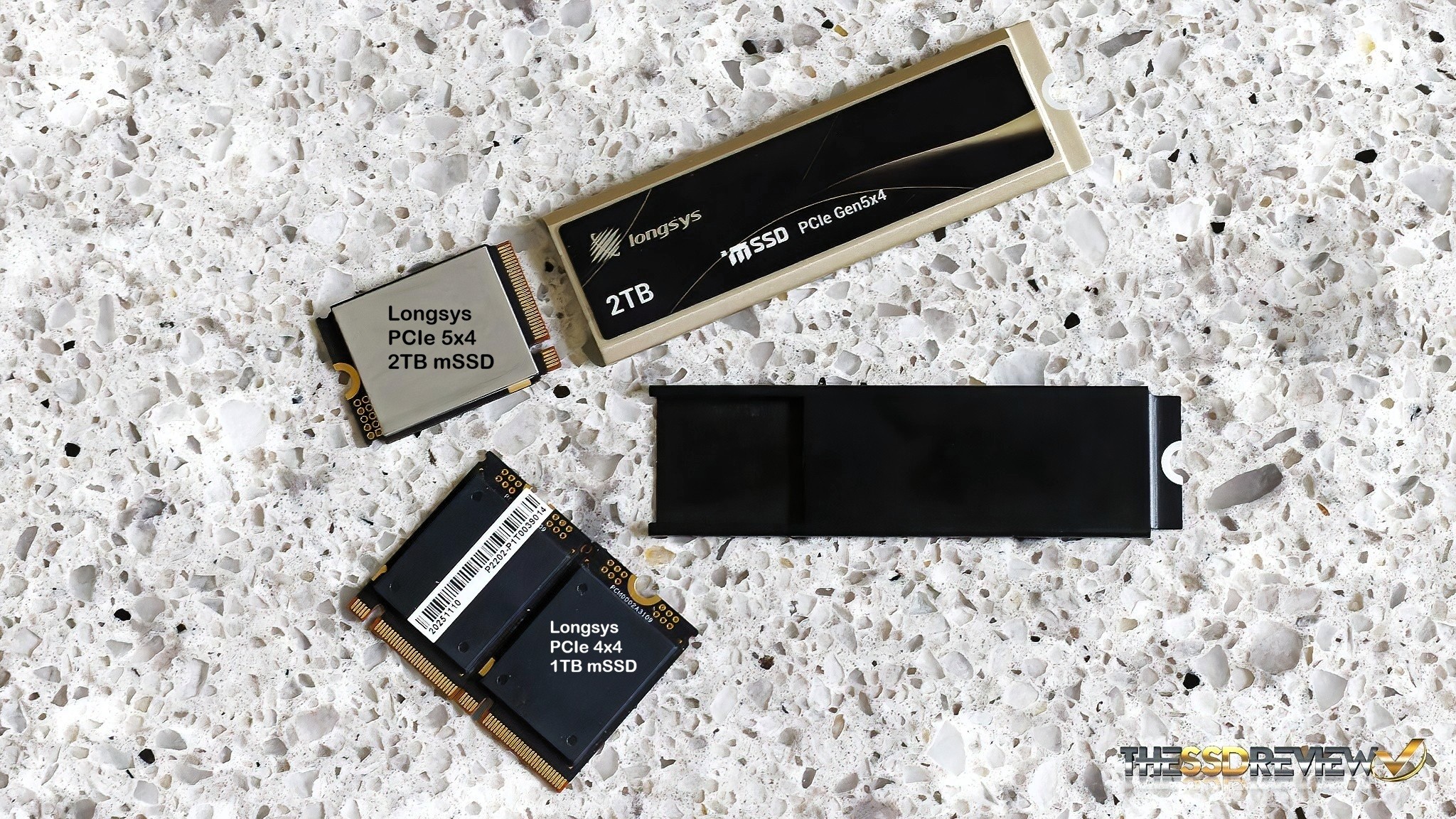
Introducing the Longsys Gen5 2TB mSSD, a drive capable of exceeding 12GB/s transfer speeds, with designs scaling to an incredible 8TB of storage, all packed into a device no larger than a 25-cent piece and just a bit smaller than a typical SD card.
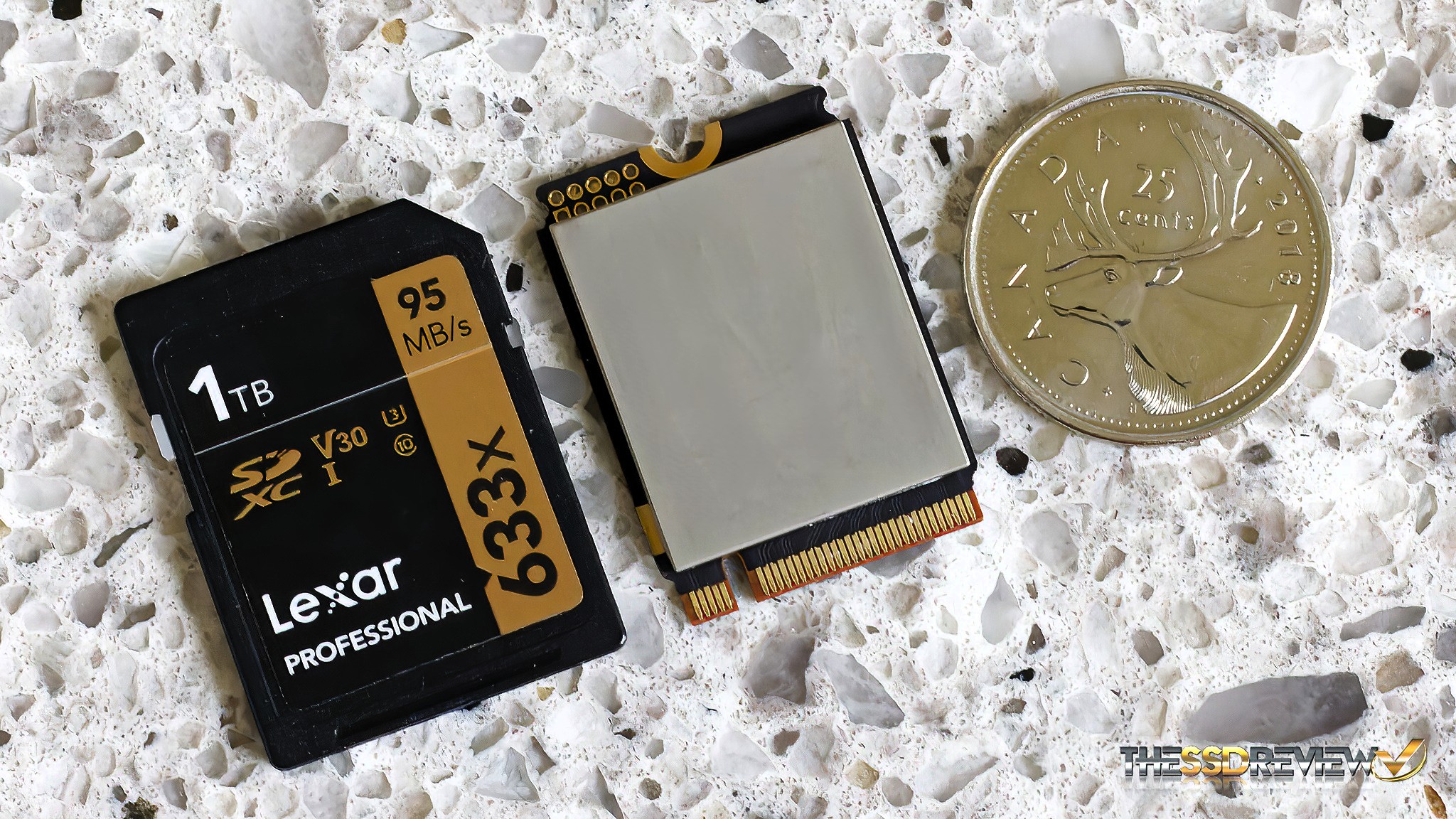
As much as we’d like to think the fully integrated SiP (System-in-Package) single-chip SSD is a brand-new concept, it really isn’t. In fact, while preparing this report, we were reminded of our own review of the Toshiba BG4 1TB SSD back in July 2019.
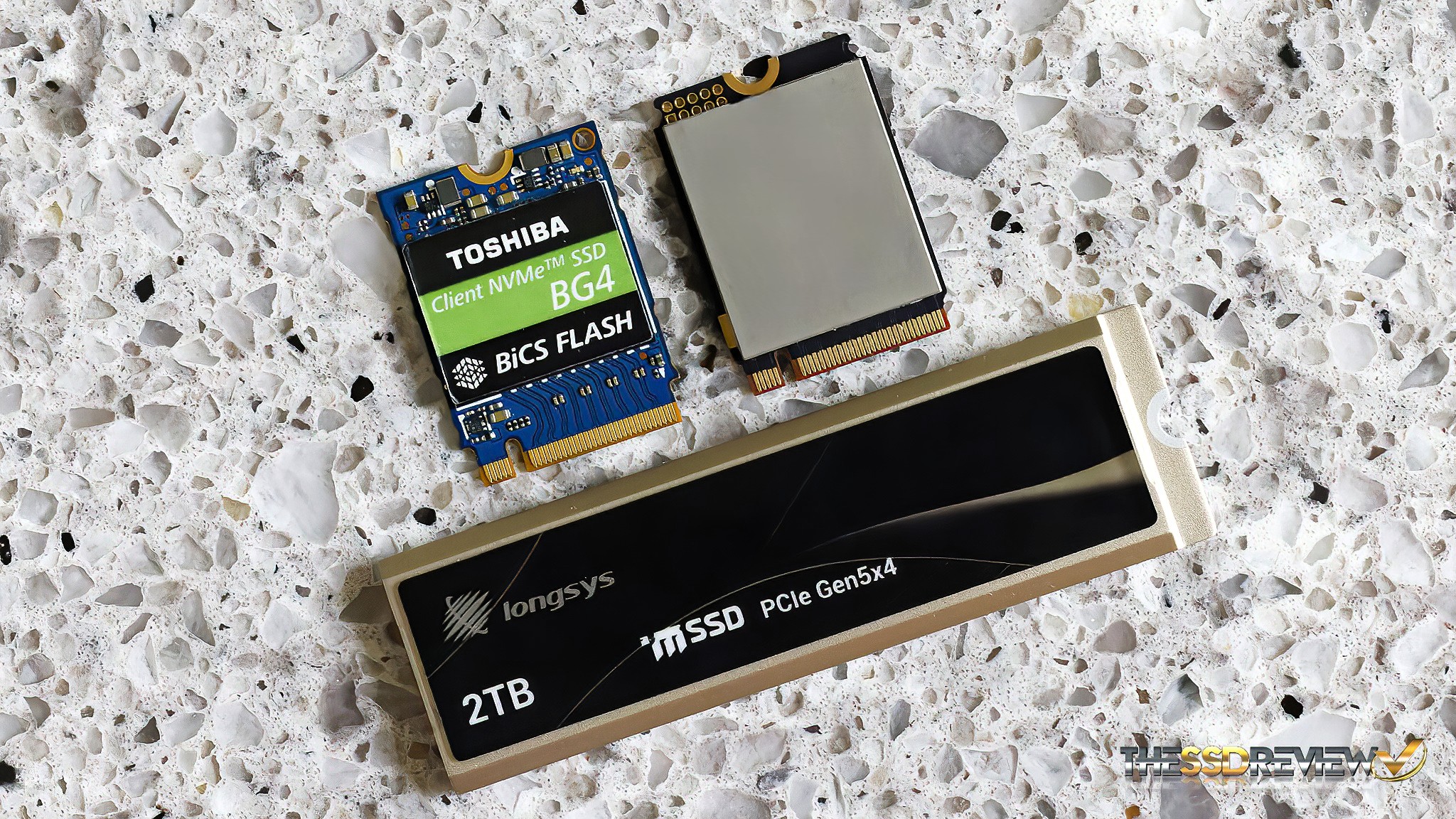
As the below photo shows, the BG4 was remarkably similar in that it also employed a single-chip design. The difference, however, is just how far the technology has evolved in only a few years. Back then, a 1TB SiP SSD delivering up to 2GB/s was considered an impressive achievement. Today, Longsys’ Gen5 mSSD pushes a very similar concept to an entirely different level, delivering up to 13GB/s while scaling to capacities as large as 8TB, all within a single chip package the size of a quarter.
The evolution is remarkable. Take a look at how these two drives compare…
We first caught a glimpse of the Longsys Gen5 x4 mSSD at Computex last month, where we shared a brief look at the company’s latest design. This newest iteration can be configured as a compact 2230 form factor (22mm × 30mm), making it suitable for space-constrained devices such as handheld gaming systems and ultrathin laptops.
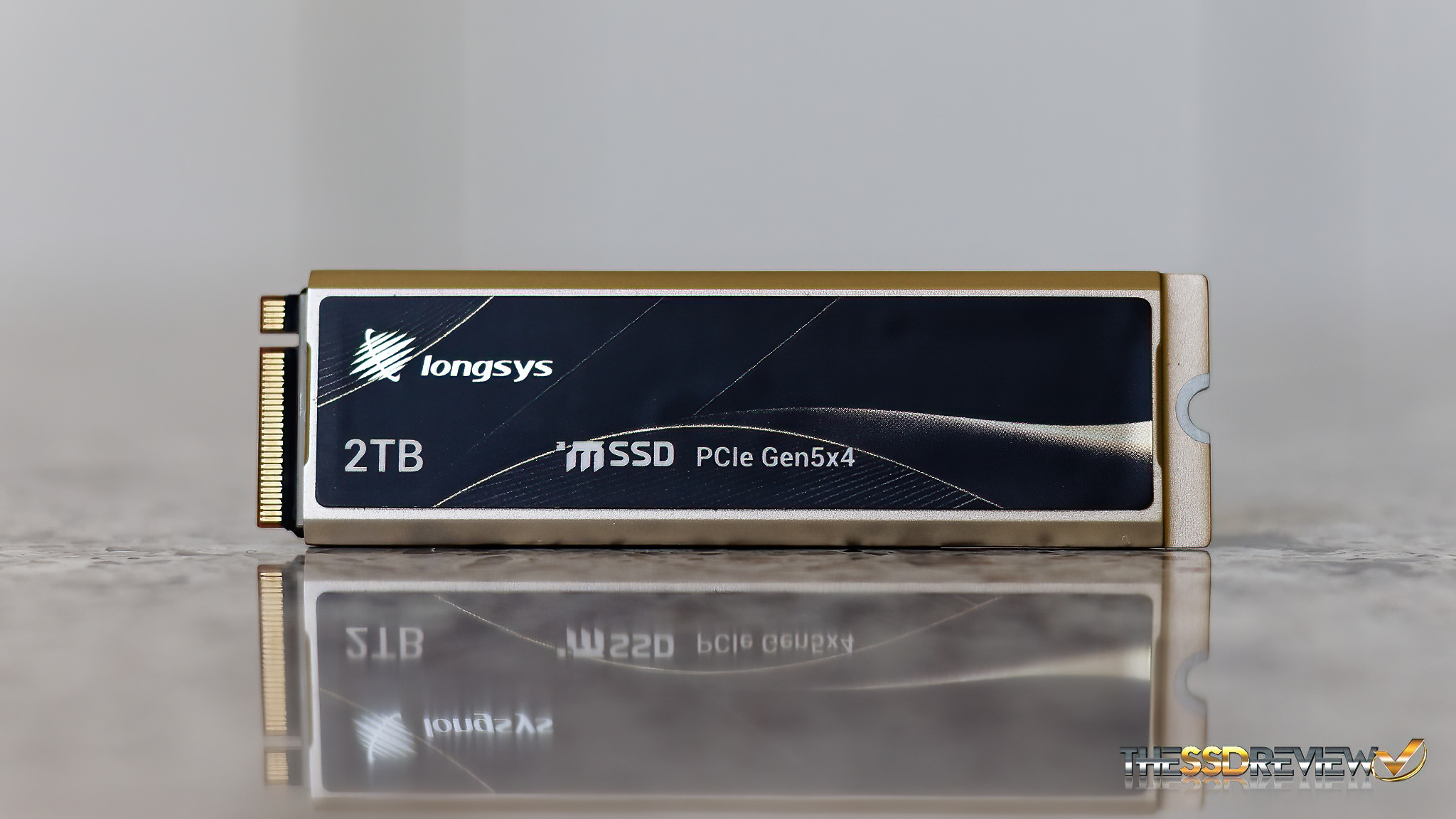
Our review sample arrived mounted in a gold-colored aluminum heatsink featuring an integrated copper vapor chamber. This design is intended to draw heat away from the single-chip mSSD efficiently while distributing it evenly throughout the heatsink, helping to maintain consistent operating temperatures under sustained workloads.
More specifically, in order to overcome the thermal challenges associated with PCIe Gen5 mSSDs operating in an extremely small form factor, Longsys has developed a dedicated high-efficiency cooling solution that incorporates VC (vapor chamber) phase-change liquid cooling technology for rapid heat transfer and efficient dissipation.
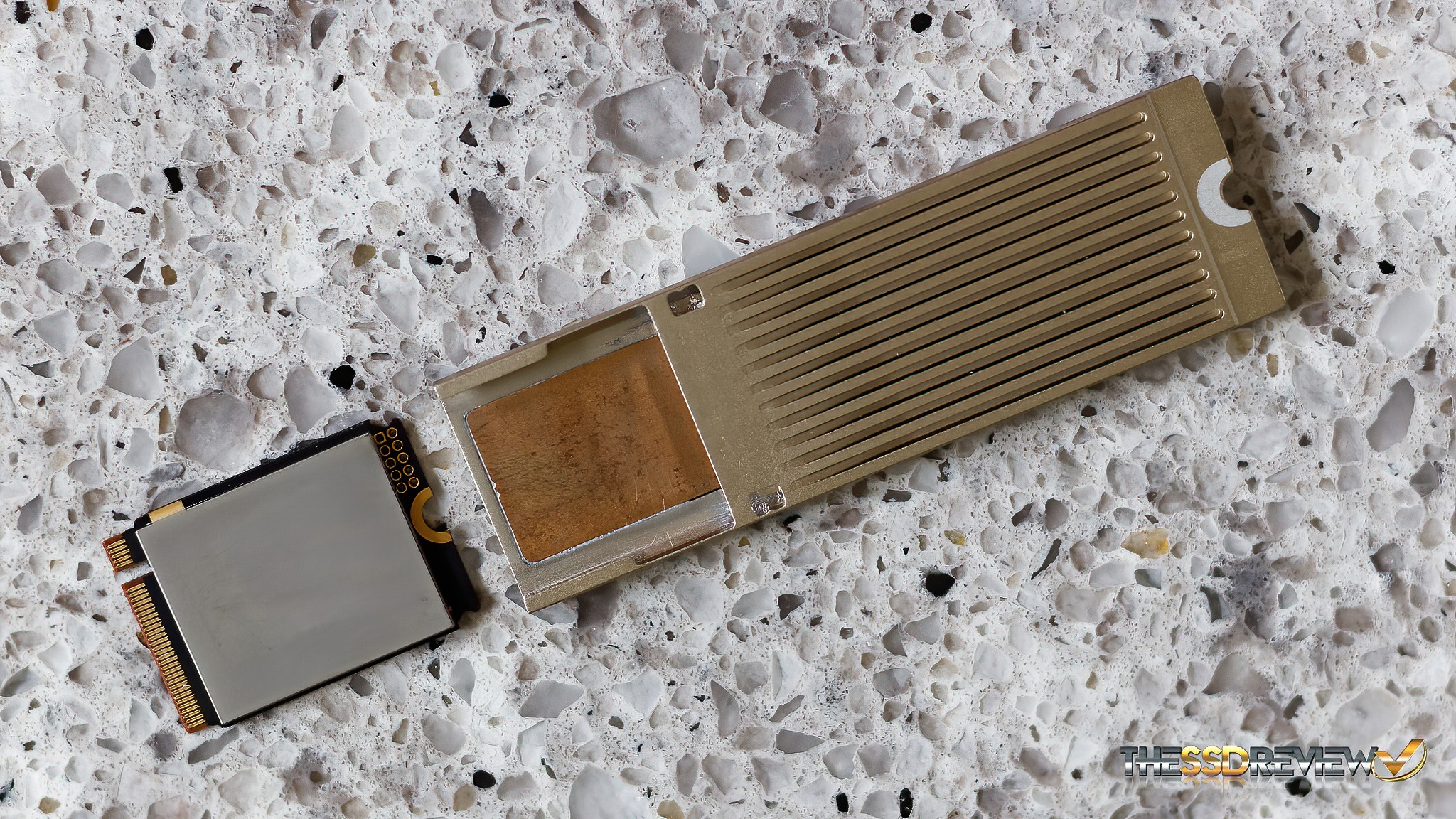
The cooling system combines several thermal components, including TIM1 thermal gel, a graphene heat spreader, a VC vapor chamber, and an aluminum alloy thermal expansion card. According to Longsys, testing demonstrated a significant improvement over conventional cooling designs, extending peak 11GB/s performance from just seconds to 181 seconds while allowing up to 1,991GB of continuous read data to be transferred before thermal throttling occurs, nearly 2.5 times the sustained throughput of a standard PCBA SSD thermal solution.
Designed specifically for the demanding KV Cache workloads found in AI PCs, this thermal solution enables sustained PCIe Gen5 performance while maintaining the ultra-thin profile required by next-generation AI notebooks, effectively balancing maximum performance with compact system design.
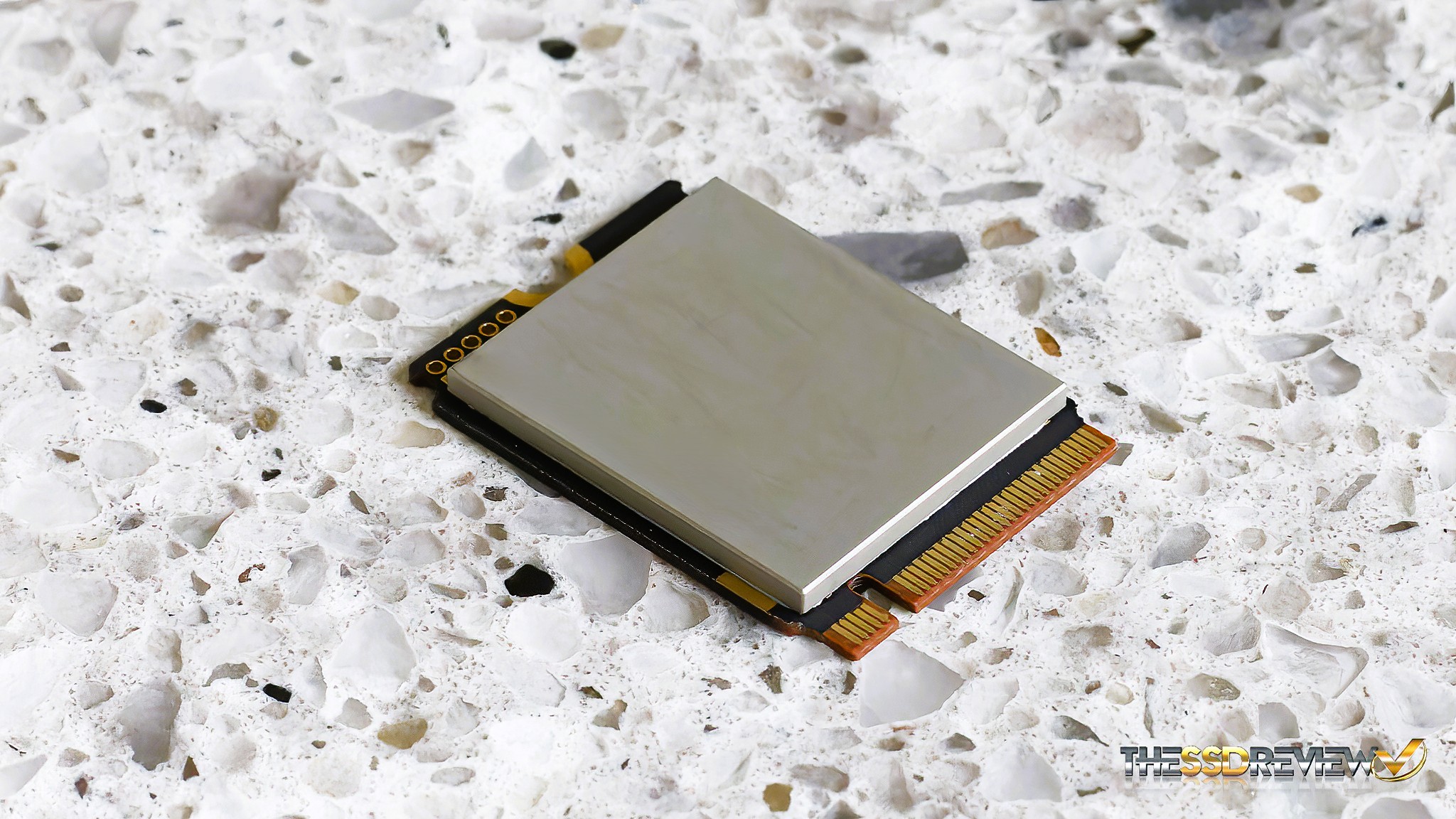
mSSD stands for Micro SSD, and in this case, the entire storage solution is contained within a single System-in-Package (SiP). At its heart is the Maxio MAP1802, a DRAMless PCIe Gen5 x4 NVMe SSD controller manufactured on a 6nm process. The controller supports capacities of up to 8TB and NAND interface speeds of 4,800MT/s, making it well suited for the latest generation of high-performance, compact SSDs.
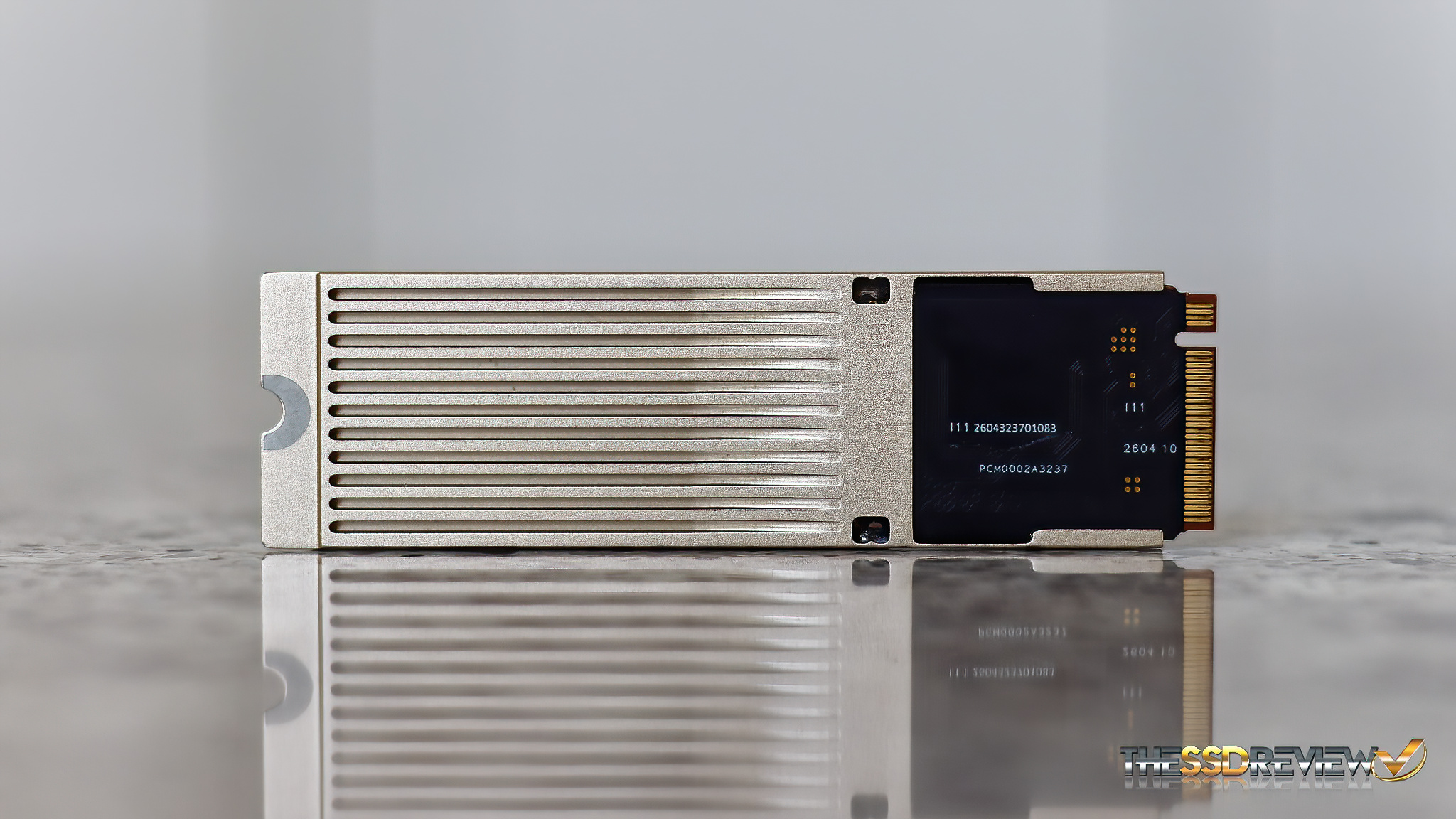
Longsys has not stated the exact NAND product used for the Gen5 mSSD. Achieving both an 8TB capacity and 12GB/s-class performance from a single-chip design would almost certainly require the latest high-density, high-speed 3D NAND rather than an older generation of flash memory.
Longsys operates with a multi-brand portfolio and plans to expand global distribution across its brand lineup: FORESEE, Lexar and Zilia. The Longsys mSSD is now achieving monthly production capacity of over 1 million units to directly supply AI PCs and is optimized for KV Cache workloads.