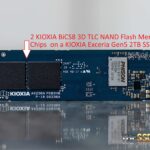
After NAND Flash and controller, DRAM is perhaps the most important component on an SSD. In our premier article of our newest ‘ Learning to Run with Flash 2.0’ entitled, ‘Understanding SLC, MLC, TLC and QLC NAND Flash‘ we provided an understanding of the different types of NAND and value of each in the SSD spectrum. Today, we’ll be taking …
Read More »Search Results for: "Learning To Run With Flash 2.0"
Understanding Defragment and Optimize Drives for SSDs | Learning to Run with Flash 2.0
Disk Optimization is a very simple process by which your PC physically removes deleted and unnecessary data from your SSD in order to allow for better performance and longevity. You can do this manually as we will demonstrate, but thankfully your PC has already set this up. Drive Optimization is a beneficial and background process that occurs automatically with PCs. …
Read More »Choosing Volume Size, Drive Letter and System Type When Formatting an SSD | Learning to Run With Flash 2.0
Our last ‘Quick Hit’ in our Learning to Run With Flash 2.0 Series was titled, ‘Where is My New SSD?‘ and it did just that. It explained why some appear to lose their SSD on installation and how to get on the right track once again. In that, we tackled how to initialize ones disk, but not the specifics of …
Read More »Where is My New SSD? | Learning to Run With Flash 2.0
You most likely arrived here one of two ways; sheer interest or you just installed your new SSD and cannot find it. The latter is more common than most think and usually the after effect of installing a secondary SSD in your system. After all, a migration of a former hard drive based system (which we NEVER recommend) wouldn’t cause …
Read More »Understanding SLC, MLC, TLC, and QLC NAND Flash | Learning to Run with Flash 2.0
Data storage in NAND flash memory is a complex process that is not only difficult to understand, but also challenging to explain. Humans are good at abstraction, and we use this skill to enhance technology, even if we are not aware of what is exactly going on at the level of matter. In the case of NAND flash, we understand …
Read More »Micron 2600 Gen4 DRAMless SSD Review – This QLC SSD Competes with TLC SSDs through Adaptive Write Technology (AWT)
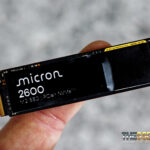
It is not often that a new SSD brings alot to the table. Sure, many might introduce new memory, or a new SSD controller, but it is rare that we are introduced to an SSD that literally changes the landscape of what is possiible with flash media. The Micron 2600 Gen 4 QLC SSD we are testing today does just …
Read More »
The SSD Review The Worlds Dedicated SSD Education and Review Resource |